


Germguard USB-C Charging Cable
$6.95
/
PhoneSoap GermGuard antimicrobial USB C sanitize over 24 hours.
Prop 65 Warning
Prop 65 Warning
WARNING: This product can expose you to chemicals including arsenic, which is known to the State of California to cause cancer. For more information, go to www.P65Warnings.ca.gov
What Can It Do?

Self-disinfects over 24 hours
Effective against bacteria, fungi, and some viruses

Available in multiple lengths, from 1.3 ft (40 cm) to 6.5 ft (2 m)

Charge devices using Fast Charge
Tech Specs
DIMENSIONS
Length
78.7 inches (199.9 cm)
39.4 inches (100 cm)
15.8 inches (40 cm)

Frequently Asked Questions
How do I charge my phone while using PhoneSoap?
With the PhoneSoap 3, there is a USB port in the back of the unit to plug in your charging cord. You can charge and sanitize simultaneously, and when the sanitizing cycle is complete, your phone will continue to charge.
Can I keep the case on my phone?
Yes! In fact, we encourage you to keep your phone case on your phone while you use any of the PhoneSoap units. Most of the bacteria on our hands is passed to our phone cases. Each PhoneSoap unit was designed to fit your phone with the case on. If you have a thick case with additional accessories like a socket or stand, please refer to the dimensions on each product page to make sure it will meet your needs.


Powered-up protection
Achieve a more complete level of disinfection. During a time when disinfection is key, make sure your phone and your charging cable aren’t breeding harmful germs. Charge your phone using our specially designed cable featuring a proprietary antimicrobial formula that protects from bacteria.
An essential companion
We may touch our charging cables less than we touch our phones, but that doesn’t mean our cables aren’t crawling with germs. Charge your device with a PhoneSoap cable for better disinfection.
Lightning-fast charging
The PhoneSoap Cable charges your devices using Fast Charge at speeds up to 3A or 60W. It’s compatible with USB-C to USB-C and Lightning adaptors.
Comparison Chart
Find the right model for you.
Scroll to compare
Kills 99.99% of germs
Sanitizes phones
Sanitizes tablets
Sanitizes small items (watches, headphones, keys, credit cards, etc)
Sanitizes larger items (baby bottles, remote controls, keyboards, etc.)
USB port for charging
USB-C port for charging
Qi charger
Battery Powered with Carrying Case
Sanitizes in half the time (5 min)
Color options

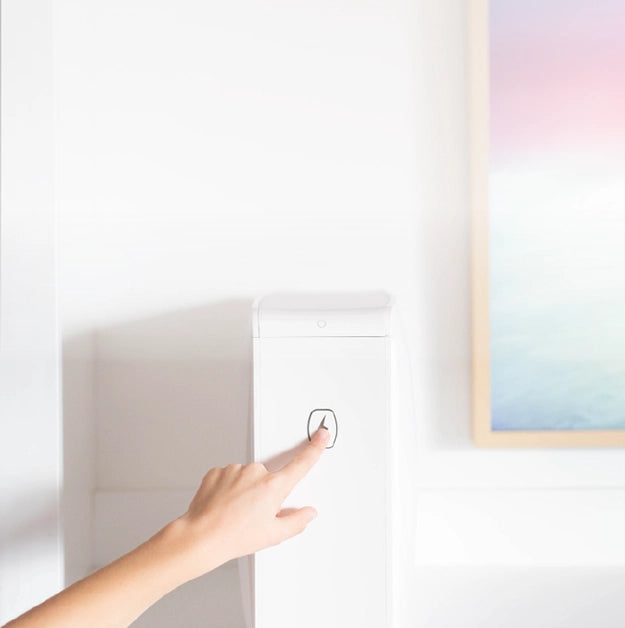
Sometimes bigger is better.
For those large items that won't fit in your PhoneSoap, go extra large.
Learn more about the HomeSoap

Make it harder for germs to hide.
Your phone isn’t the only thing collecting bacteria. Power up with a cable that powers down germs.
Learn more about PhoneSoap Cables
Frequently Asked Questions
What devices use USB-C charging cables?
A single port now links your phone, tablet, laptop, gaming gear, and earbuds - thanks to a rule change in Europe that pushed one plug to take over. This small oval opening handles power and data across gadgets once stuck with their own cords. iPhones made after 2023 fit here, just like nearly every Android model from Samsung to OnePlus. Even high-end tablets such as the iPad Pro, plus MacBooks and the Nintendo Switch, rely on it daily. Headphones, cameras, portable screens - all plugging into the same slim jack. Because of new laws, this connection became mandatory for many devices sold in Europe, pushing clutter down and compatibility up.
Are all USB-C cables the same?
No, not every USB-C cord works the same way. One might move data slowly, another can handle blazing transfers - depends on its version, like 2.0 up to Thunderbolt. Charging strength differs too; some deliver power weakly, others push energy quickly if built right. Sturdiness matters just as much when tossing it in a bag daily. Weak materials snap faster than you notice. High-end versions often carry special approvals showing they meet strict rules. Basic ones skip those checks, leaving performance flat. Your phone gains more from strong construction than fancy specs alone. Speed means little if the wire dies mid-year. Tough insulation and proper ratings shape real-world use far beyond what labels claim. The best pick matches your device needs without overspending on extras unused.
What is an antimicrobial USB-C cable?
Not many consider how often they handle their charging cable, yet it collects germs just like any frequently touched item. Built right into the surface material, tiny elements fight bacteria every time fingers brush past. PhoneSoap took that idea and shaped it into a cord people plug in each day without thought. Instead of changing how power moves through, it quietly resists microbes while doing its main job. Even though it charges devices like any other USB-C line, what sets it apart hides beneath the touch - protection woven into the outside layer.
Do I need a USB-C cable for fast charging?
A proper USB-C cable must team up with a matching power brick. Old-style USB-A to USB-C cords tend to slow things down. The quickest results come when using a USB-C to USB-C cord together with a wall plug that speaks USB-PD. Phone makers list which fast-charge methods work - look those details up before deciding what to use.
How do you keep USB-C cables clean?
Dirt sneaks into charging cables more than folks realize - picked up from palms, tabletops, backpacks, even floor scraps. Try going over them now and then with a soft cloth barely wet, or swipe one of those wipes soaked in 70% alcohol. If constant upkeep feels like too much, consider cords built to fight microbes, such as the ones from PhoneSoap called GermGuard, which slow germ buildup right on the coating. Every so often, take a peek at the USB-C tip; fuzz or gunk hiding inside might mess with how well it powers your device.