Capturing What HEPA Cannot
A HEPA filter only traps particles larger than 300 nm - and the smallest viruses slip right through. AirSoap's TPA technology charges, neutralizes, and captures airborne particles as small as 14.6 nm - on plates you wash and reuse for years. No disposable filters.
Trapping isn't the same as cleaning
A HEPA filter is a net — it catches what's big enough and lets the rest pass. TPA takes a fundamentally different approach.
Catch and hold
Air is forced through a dense fiber filter. Larger particles get stuck, living microbes can survive inside it, and anything smaller than ~300 nm passes straight through. As the filter loads up, airflow and performance drop — and the filter heads to a landfill.
Charge, neutralize, capture
Incoming particles are given an electric charge, then neutralized in a high-energy ionic field that inactivates bacteria and viruses. The charged remains are drawn onto reusable collection plates — down to 14.6 nm. The plates rinse clean and go right back in.
Five stages, one pass of air
Watch the air move through the system. Large particles are caught right at the pre-filter. The smallest ones slip through — then get charged at the emitter, neutralized in the ionic field, and held on the collection plates.

Pre-Filter
Catches hair, pet dander, and large debris as air is drawn in.
Emitter Wires
A high-voltage field gives every passing particle an electric charge.
Ionic Field
Charged particles are neutralized — bacteria and viruses inactivated.
Collection Plates
The charged remains cling to washable, reusable plates.
Catalytic Layer
A final pass removes odors, VOCs, and trace ozone.
TPA filtration shown in a smoke chamber.
What gets through HEPA — and how TPA catches it
HEPA filters stop the bigger stuff. But influenza and rhinovirus are small enough to pass straight through. TPA's charged collection plates capture them anyway.
HEPA catches everything down to about 300 nm — dust, bacteria, even cigarette smoke. But finer wildfire smoke, influenza, coronavirus, and rhinovirus slip right through. AirSoap's TPA captures everything HEPA does — and more, down to 14.6 nm.
Small enough to matter
From a strand of hair down to a single virus — TPA could clean particles as small as 0.0146 µm.

Cleaner air, on every measure
No filters, ever
TPA's reusable plates mean no HEPA filter and no replaceable parts to buy.
Whisper quiet
TPA increases airflow while spinning the fan slower — and quieter.
Half the energy
Uses up to 50% less energy to process the same amount of air.
Kills the tiniest particles
Charges and captures airborne particles as small as 14.6 nm — well below HEPA's limit.
No chemical emissions
Unlike ionizers, AirSoap adds no potentially harmful chemicals to your air.
Better for the planet
Skip the landfill-fated fiberglass filters — and save thousands over the product's life.
The difference is measurable
Not a marketing distinction — a mechanical one. Here's how active filtration compares to the filter you're used to replacing.
| Metric | AirSoap · TPA | Conventional HEPA |
|---|---|---|
| Smallest particle captured | 14.6 nm~10× smaller than the flu virus | ~300 nmmisses most viruses |
| What it does to microbes | Neutralizes them in the ionic field | Traps them — often still alive |
| Filter media | Washable, reusable plates — for years | Disposable; replaced 1–2× a year |
| Performance as it loads | Up to ~50× more capacity before it fades* | Airflow drops as the filter fills |
| Ongoing cost & waste | Rinse and reuse — no refills to buy | $50–$200 per replacement filter |
See Air Purification in Action
Real demonstrations of TPA capturing what's in the air. Tap a scenario to watch.
"Doesn't electric filtration produce ozone?"
It's the right question to ask — many ionizers do, and you deserve a straight answer. Active filtration can generate a trace amount of ozone, which is exactly why TPA doesn't stop at the collection plates.
The fifth stage — the catalytic layer — is built to neutralize that byproduct along with odors and VOCs before the air returns to your room. AirSoap adds no chemicals to your air. Clean air shouldn't come with an asterisk you have to worry about.
Bring TPA home
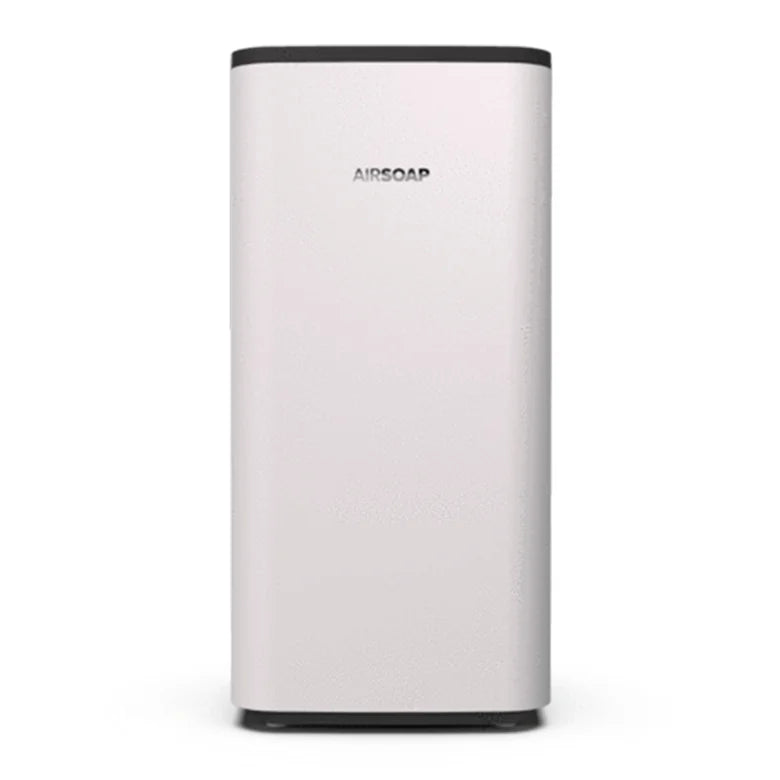
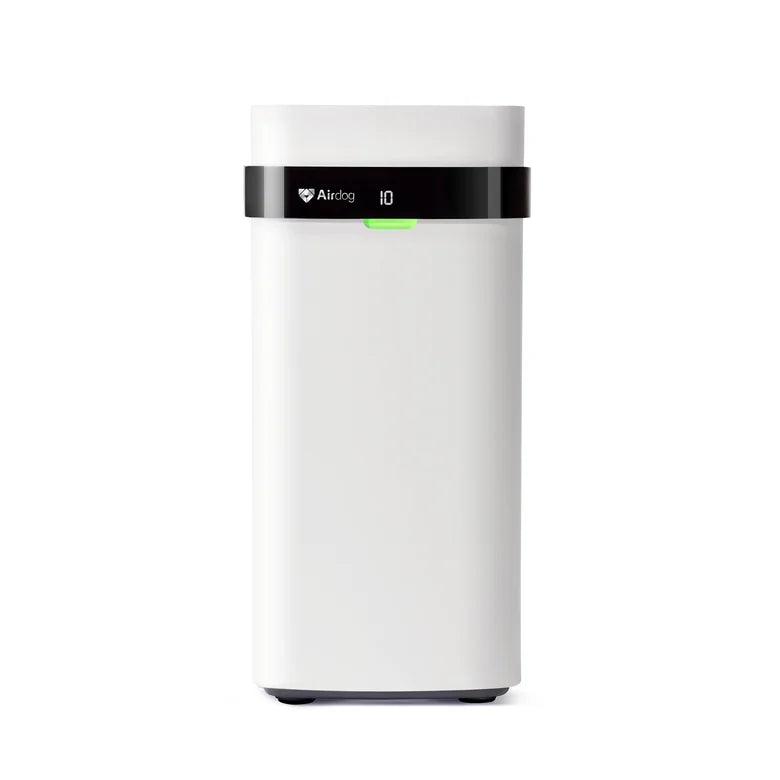
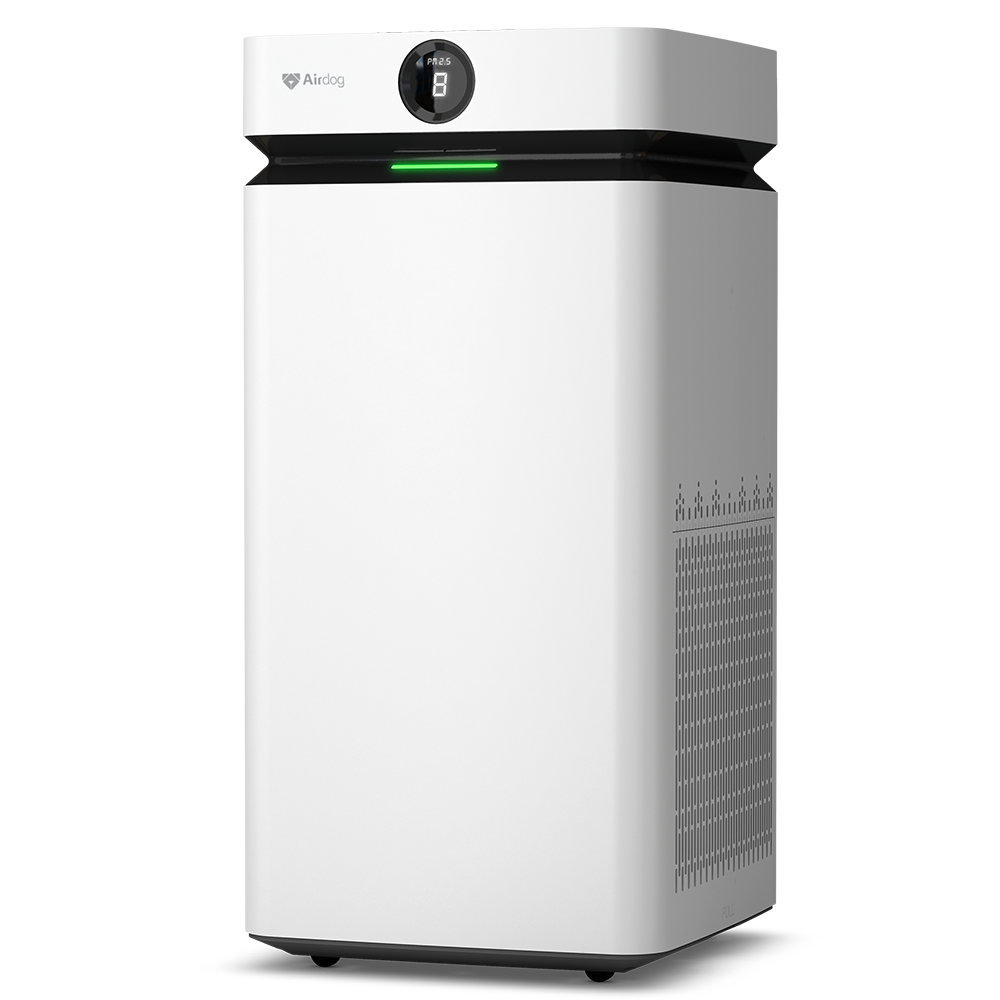
Every AirSoap runs the same filterless TPA engine. Pick the size that fits your space.
Air as it should be.
For your health, your wallet, and the planet — exceptionally purified air wherever humans want to breathe with confidence.
Shop AirSoap