The air purifier for mold that destroys what it captures
Mold spreads through the air. AirSoap's filterless TPA technology charges and captures airborne mold spores and allergens on washable plates — independently tested to remove over 98.5% of airborne mold allergen in a single hour.†
Filterless · washable · no mold-soaked filter to replace · tested by an independent microbiology lab
Does an air purifier help with mold?
Yes — for the airborne part, and that's a big part. An air purifier can't fix the moisture that lets mold grow, and it won't scrub mold off a wall. What it does do is capture the mold spores and allergens floating in your air — which is exactly how mold spreads from room to room and how it triggers allergy and asthma symptoms.
AirSoap goes further than a typical purifier: instead of trapping spores in a filter where they can keep growing, its TPA technology charges and neutralizes them on washable plates. In independent testing it removed over 98.5% of airborne mold allergen in one hour.† Pair it with fixing the moisture source and you address mold from both sides.
Tested to remove over 98.5% of airborne mold allergen
An independent microbiology lab measured how much airborne mold allergen (Alternaria, Alt a 1) AirSoap removed from a sealed test chamber in one hour.
| Allergen | Start | After 1 hr | Removed |
|---|---|---|---|
| Mold (Alt a 1) | ~484 | <6.15 | >98.5% |
| Dust mite (Der f 1) | ~487 | <15.1 | >96.4% |
Values in ng/m³. Source: Guangdong Detection Center of Microbiology, Report No. 2021FM14935R01E (method T/GIEHA 009-2018) — air purifier run at max speed for 1 hour in a 30 m³ chamber; natural decay subtracted. The tested unit (KJ300F‑X5) and the X3 are the same product.
Mold spores are tiny. TPA is tinier.
Mold spreads by releasing microscopic spores into the air. They're small — but nowhere near small enough to escape AirSoap's TPA filtration.
Why a filterless purifier is better for mold
With mold, the filter itself can become the problem. AirSoap doesn't have one.
Mold can grow in the filter
A HEPA filter traps mold spores in dense, often-damp media — the exact conditions mold loves. Left unchanged, captured mold can grow inside the filter and get blown back into your room, adding pollution to the air you're trying to clean. Then the moldy filter heads to a landfill.
Neutralized, then rinsed away
AirSoap charges and neutralizes mold spores in its ionic field, then collects them on washable, reusable plates — nothing alive is left growing in a filter to recirculate. When the plates fill up, you rinse them in the sink and slide them back in. No mold-soaked filter, no replacements, ever.
Cleaner air for mold-sensitive homes
Fewer mold allergy triggers
Airborne mold allergens are a leading indoor trigger for sneezing, congestion, and asthma. Removing them from the air can mean fewer symptoms at home.
Tackles the musty smell
The catalytic stage breaks down many odor-causing compounds and VOCs, while removing airborne spores cuts the musty, moldy smell at its source.
Runs quietly, 24/7
Mold control is continuous. AirSoap is quiet enough to run around the clock in a bedroom or basement, with no filters to keep buying.

Put it where the mold is
Bedrooms next to a bathroom, basements, laundry rooms, and after water damage — place AirSoap where you notice musty air or symptoms, and let it clear the spores while you fix the moisture.
The right AirSoap for your mold-prone room
Both run the same filterless TPA technology — pick the coverage that fits your space.
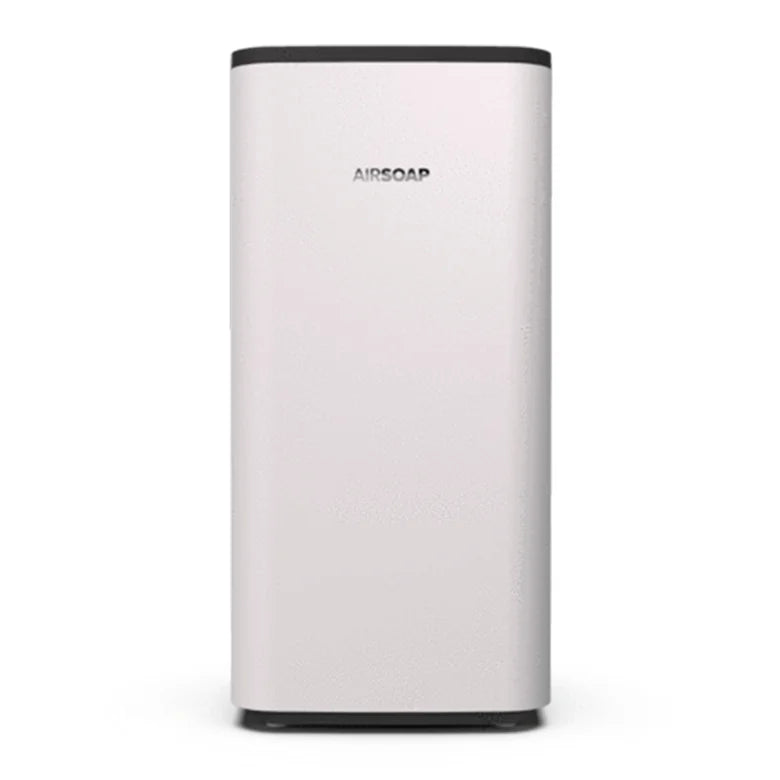
AirSoap X3
Filterless air purifier for rooms up to 860 sq ft — bedrooms, nurseries, and home offices.
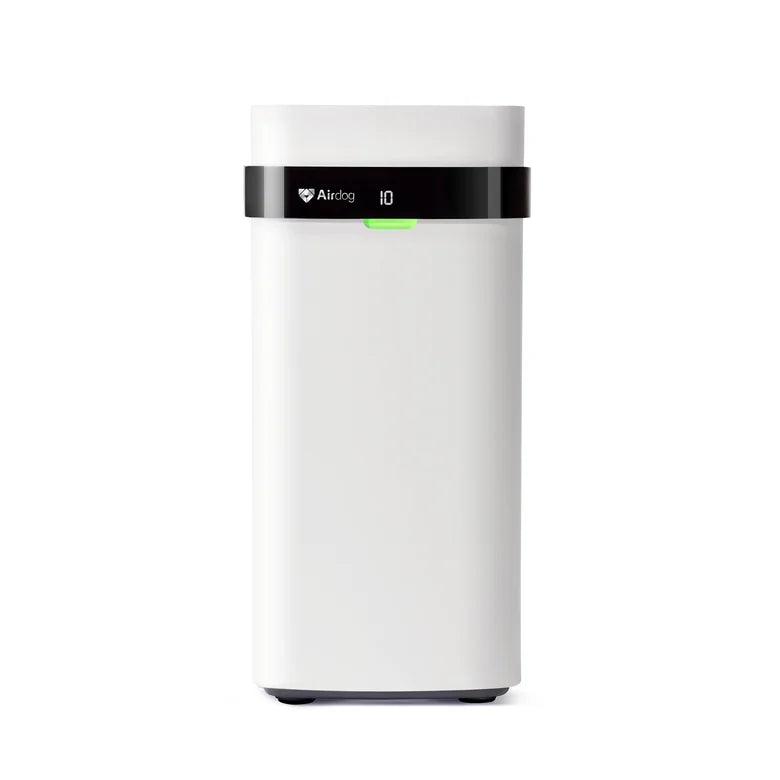
AirSoap X5
Large room air purifier for open spaces up to 1,600 sq ft — basements, great rooms, and finished lower levels.
See how the technology works on our filterless vs. HEPA page, or compare all AirSoap air purifiers.
Air purifiers and mold, answered
Does an air purifier help with mold?+
Does AirSoap kill or remove mold spores?+
Will an air purifier remove a musty, moldy smell?+
What size mold particles does AirSoap capture?+
Air purifier for mold vs. a dehumidifier — which do I need?+
Where should I place an air purifier for mold?+
Clear the mold out of your air
Filterless, washable, and tested to remove over 98.5% of airborne mold allergen — with no mold-soaked filter to replace.
Shop AirSoap Air Purifiers† Based on third-party laboratory testing of the underlying TPA technology (airborne Alternaria/Alt a 1 mold allergen) under controlled chamber conditions; real-world results vary with room size, humidity, placement, and the source of mold. An air purifier reduces airborne mold spores and allergens and does not remediate mold growing on surfaces or remove the moisture that causes mold. TPA filtration is powered by Airdog.